
The historical journey of gambling From ancient rituals to modern casinos
The Origins of Gambling in Ancient Civilizations
The practice of gambling dates back thousands of years, with evidence found in ancient civilizations such as China, Egypt, and Mesopotamia. Archaeological findings reveal that dice made from bone and other materials were utilized in games of chance, illustrating humanity’s long-standing attraction to risk-taking behaviors. In these societies, gambling often intertwined with religious beliefs, where rituals and games were used to seek divine favor or predict future events and the opportunity for excitement can now be expanded through an online casino not on gamstop.

The earliest recorded instances of gambling can be traced to China around 2300 B.C., with the creation of games that involved betting on outcomes. These early forms of gambling laid the groundwork for future developments, as they reflected not only entertainment but also social hierarchies, where nobles could gamble vast sums while commoners participated in simpler forms of play.
The Evolution of Gambling Through the Middle Ages
As civilizations progressed, gambling transformed with the rise of organized games and the establishment of betting houses across Europe. During the Middle Ages, the Church often condemned gambling, associating it with moral decay. However, the allure of games such as cards and dice continued to thrive, leading to the establishment of regulated gaming houses in places like Italy and France.
The creation of the first official lotteries in the 15th century marked a significant turning point in gambling history. These lotteries provided a legitimate means for governments to raise funds while allowing citizens a chance to win large prizes. This dual purpose showcased gambling’s potential as both a source of revenue and a means of entertainment, paving the way for more formalized structures in the gambling industry.
The Rise of Casinos and Legal Gambling
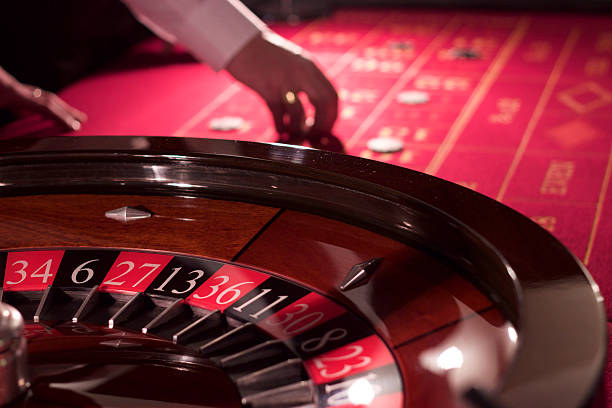
The 17th and 18th centuries heralded a new era for gambling with the establishment of the first casinos, particularly in Venice and Monte Carlo. These grand establishments offered various games, from roulette to baccarat, catering to the affluent who sought luxurious experiences combined with the thrill of chance. The casino culture blossomed, attracting visitors from across Europe and beyond.
As gambling gained popularity, governments began to recognize its economic potential. By the 19th century, many countries implemented regulations that legalized gambling, leading to the expansion of casinos. This period saw the birth of iconic gaming establishments, which laid the foundation for the modern casino experience we know today, complete with entertainment, dining, and luxury accommodations.
The Impact of Technology on Modern Gambling
The advent of technology has profoundly impacted the gambling landscape, especially in the 20th and 21st centuries. With the introduction of the internet, online gambling emerged, making it more accessible than ever. People could now partake in their favorite games from the comfort of their own homes, leading to a significant rise in participation and innovation within the industry.
Mobile technology further revolutionized gambling, allowing players to engage in games via smartphones and tablets. This shift not only expanded the reach of gambling but also introduced various formats like live dealer games, which replicate the atmosphere of a physical casino, providing a more immersive experience for players worldwide.
Conclusion: The Future of Gambling
As the historical journey of gambling continues to evolve, the industry faces both opportunities and challenges. Today’s casinos blend traditional elements with modern technology, creating unique environments that appeal to a diverse audience. The ongoing integration of advanced technologies such as virtual reality may shape the future of gambling, offering experiences previously unimaginable.
As we reflect on the rich history of gambling, it becomes clear that this activity has always been about more than just chance. It has served as a mirror of societal values and a catalyst for economic growth. Understanding this journey helps us appreciate the complexities of modern gambling and its potential trajectory in the years to come.