
Busting common myths about gambling What you really need to know
Understanding the Gambling Landscape
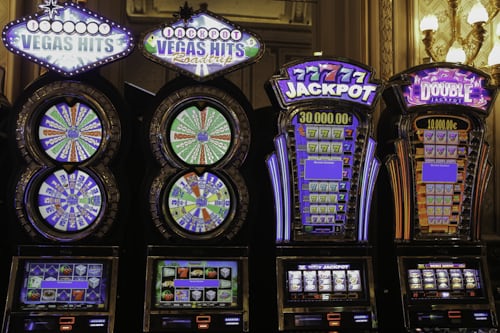
The world of gambling is often shrouded in misconceptions. Many people think that gambling is purely a game of chance, while others believe that skill plays a significant role. In reality, different types of gambling vary in terms of skill and luck, making it essential to understand the landscape before diving in. Games like poker may involve strategy and skill, while slot machines are mostly based on luck. Moreover, engaging in real money slots online can further complicate one’s understanding of these dynamics.

Moreover, the psychological aspects of gambling can heavily influence players’ perceptions. The thrill of winning and the fear of losing can create a powerful emotional experience that might cloud judgment. Recognizing these factors can help players make informed choices about their gambling activities and set realistic expectations.
Myth: Gambling is Always a Path to Financial Ruin
One common belief is that gambling inevitably leads to financial disaster. While it’s true that irresponsible gambling can have severe financial consequences, many people gamble recreationally without any negative impact on their finances. The key lies in moderation and responsible gaming practices.
By setting budgets and adhering to them, individuals can enjoy gambling as a form of entertainment rather than a means to make money. Many gamblers view their spending as a form of entertainment cost, akin to dining out or attending a concert. Understanding this distinction can help alleviate some of the stigma surrounding gambling.
The Role of Luck and Skill in Gambling
Another myth is that skill can dominate the outcomes in all forms of gambling. While certain games do require skill—like poker or blackjack—others, such as roulette and slots, rely predominantly on luck. This misconception can lead players to overestimate their chances of winning, particularly in luck-based games.
It is crucial for gamblers to recognize the inherent odds and rules of each game they play. A solid understanding of game mechanics can significantly enhance one’s experience and mitigate the potential for disappointment. Understanding the balance between luck and skill helps players set realistic expectations for their gambling experience.
The Psychological Effects of Gambling
The psychological impact of gambling is often overlooked. Many people view gambling merely as a financial activity, but it can also trigger various emotional responses. From the excitement of winning to the anxiety of losing, gambling can evoke a rollercoaster of feelings that may lead to unhealthy behaviors.
Furthermore, some individuals may develop gambling addictions that affect their mental well-being. It’s essential to be aware of these psychological effects and to seek help if gambling starts to interfere with daily life. Building awareness about these challenges can empower individuals to make healthier choices and enjoy gambling responsibly.
About Our Website
Our website is dedicated to providing you with accurate and helpful information about gambling. We aim to debunk common myths and present the realities surrounding this popular form of entertainment. With a focus on user security and a seamless experience, we strive to be your trusted resource.
Whether you’re a novice looking to understand the basics or an experienced gambler seeking advanced strategies, our comprehensive content is tailored to meet your needs. Join us as we explore the fascinating world of gambling while prioritizing safety and informed decision-making.