
Whoa!
I got pulled into Solana wallets last year and haven’t fully looked back. At first it felt like a browser toy, but then it started doing heavy lifting. Initially I thought browser extensions were more convenience than security, but then I noticed how the UX decisions actually shape what users trust and where funds end up, which was a surprising pivot for me. Something felt off about the way many guides glossed over wallet ergonomics and key management.
Seriously?
Phantom and other Solana wallets are slick, fast, and visually polished. They integrate with dapps without reloads and let you sign transactions quickly. On one hand that speed reduces friction and unlocks new experiences, though actually on the other hand it can encourage hurried approvals if the prompt design doesn’t force a second thought from the user, which is a real UX-security tradeoff. I’ll be honest—I clicked approve before reading more than a line, and that bugs me.
Hmm…
My instinct said that wallets should be simple but explicit about risk. Something about permission requests felt too abstract. Initially I thought a minimalist prompt would reduce confusion, but then realized that missing context can hide transaction intent and lead to unexpected token approvals, so the design challenge becomes how to show critical details without overwhelming new users. I’m biased toward conservative defaults, even if pros gripe about extra clicks.
Wow!
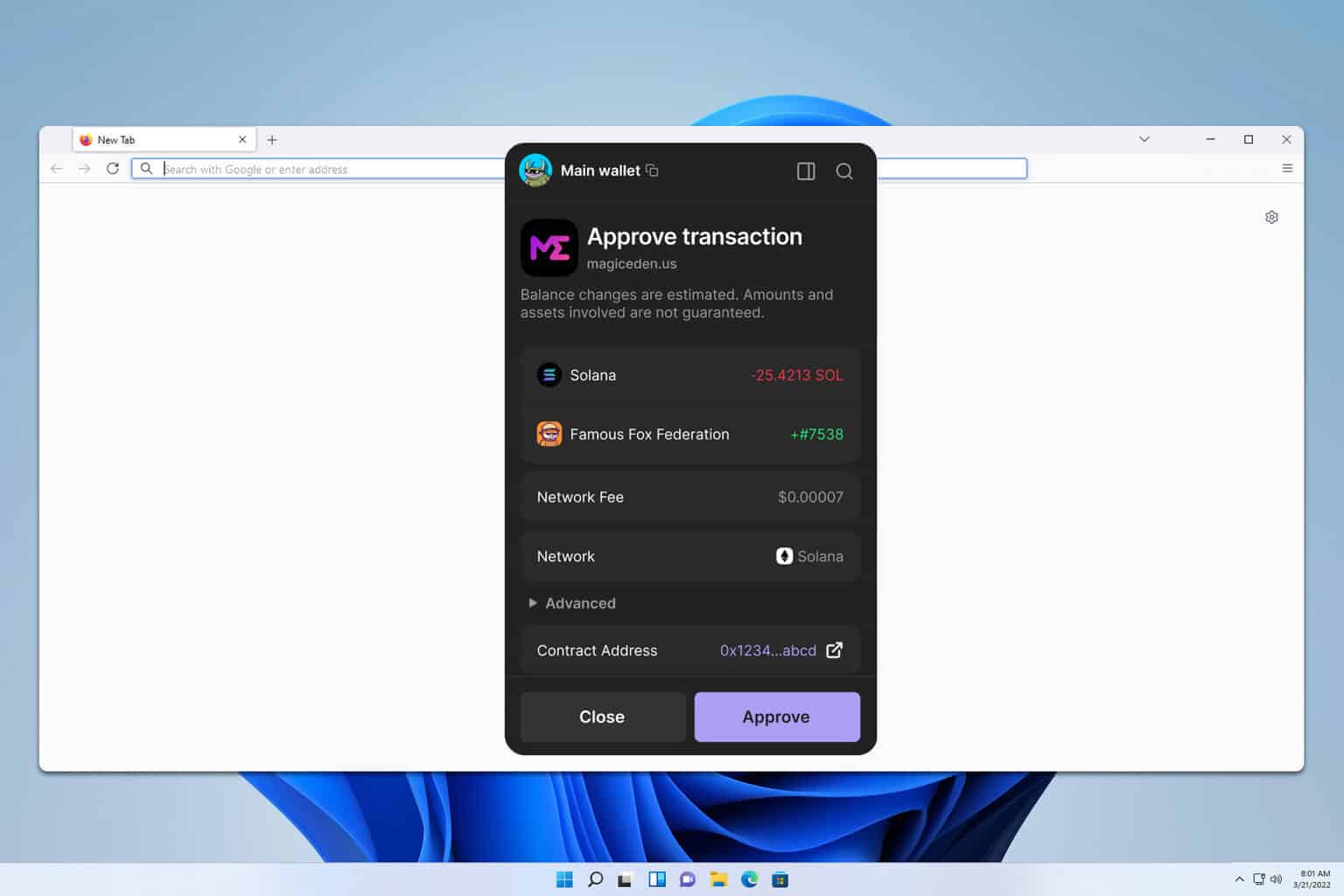
Extensions have hard constraints compared with mobile apps and hardware wallets. They live in the browser and must interact with web pages in realtime. Because of that architecture, securing the message channel and ensuring origins are verified becomes crucial, which is why permissions, origin badges, and clear domain info matter more than pretty icons when money is at stake. I like when a wallet shows the contract address, the program name, and the intent in plain language; it’s very very important.
Here’s the thing.
When I tested transfers and token approvals I made mental checklists. I tested approving small amounts, revoking access, and checking txn history. On deeper inspection, though actually you see varying levels of metadata across wallets, and Phantom often provides clearer labels and transaction breakdowns compared to some other Solana browser extensions, which made me trust it enough to move more assets there. Oh, and by the way, somethin’ about the signature flow felt more transparent to me.
Why I recommend trying a polished Solana extension
Really?
If you’re curious, trying a reputable extension is a fast way to interact with the Solana ecosystem. I tried phantom during an NFT drop and the flow was smooth. Initially I thought it would be another wallet that skims basic features, but after using it across swaps, staking, and dapp interactions I noticed consistent error messaging, clearer signing screens, and a sensible approach to connection management that reduced mistakes over repeated sessions. I’m not saying it’s perfect—no wallet is—but it felt like a pragmatic balance between power and clarity.
Whoa!
Security caveats remain, though. Browser extensions are targets because they bridge web and wallet contexts. On one hand extensions need rich APIs to be useful, but on the other hand each API surface increases attack vectors, meaning developers and users must practice least-privilege patterns and routinely audit connected apps, or suffer the consequences. My rule: treat approvals like small permissions granted temporarily, then revoke when not needed.
Hmm…
The UX team choices matter a lot to everyday users. Small cues like domain color, exact token symbols, and a readable amount line reduce mistakes. Initially I favored a minimalist interface, but then I realized that for millions of newcomers the wallet must teach as it prompts, offering micro-education in tooltips or confirmation pages so that users build safe habits over time without feeling lectured. I’m not 100% sure on every detail, but those micro-educational nudges helped me avoid a sloppy approval once.
Common Questions
Is a browser extension wallet safe for holding funds?
Wow!
It depends on how you use it and which wallet you choose. Initially I thought storing long-term assets in an extension was risky, but then I adapted workflows—use a hardware wallet for the bulk, and an extension for active trading and dapp interaction—which balanced convenience and safety. On one hand you get instant dapp access, though on the other hand you accept a larger web attack surface, so segregation of assets and frequent revocations are practical mitigations. I’m not 100% comfortable declaring a single option as best; tradeoffs exist and your threat model matters, and sometimes I still worry about phishing…